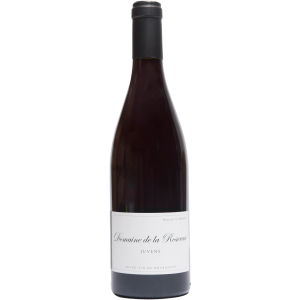
| Producer | DOMAINE DE LA ROSERAIE |
|---|---|
| Country | FRANCE |
| Type | STILL RED |
| AOC | BEAUNE |
| Vintage | 2021 |
| Bottle Size | 750ml |
| Packing Size | 12C |
Domaine de la Roseraie is a small, family-oriented natural wine estate founded in 2012 by Julien Petitjean in Nolay, within the Côte de Beaune. A former historian and archaeologist with a background in musicology, Petitjean transitioned to viticulture after training at La Viti in Beaune and working at various domaines in the Côte de Nuits. The property spans about 5–5.8 hectares (with roughly 2.8–3 ha in active production) across appellations including Beaune, Hautes-Côtes de Beaune, and Bourgogne. Committed to minimal intervention and environmental respect, the domaine practices biodynamic-inspired methods, agrobiology without synthetic chemicals, cover cropping, biodiversity enhancement with trees and spontaneous plants, and lightweight equipment to preserve soil life. Winemaking emphasizes purity, ancestral techniques, and terroir expression with little to no added sulfites.
Domaine de la Roseraie Beaune Pinot Noir Juvens 2021 is a single-vineyard red from the 0.5 ha plot “La Montée Rouge” in western Beaune. Vines were planted in 2001 on steep (>30% gradient), shallow, very stony clay-limestone soils. It is 100% Pinot Noir, farmed with biodynamic preparations and green manure. Vinification is minimalist: whole-bunch fermentation using an infusion concept with minimal punch-downs and extraction, no added sulfites. The wine ages 18 months in oak barrels (around 20% new oak) on fine lees, with natural stabilization before hand-bottling without fining or filtration. Alcohol is typically light to medium
Pale to bright garnet hue. The nose offers bright red fruits — cherry, raspberry, and redcurrant — with floral lift (violet, rose), subtle earthiness, forest floor, and hints of leather or spice. The palate is lithe and graceful with silky, refined tannins, vibrant acidity, juicy red fruit core, and earthy/mineral undertones. Elegant, nuanced, and pure, it shows finesse and clarity typical of natural Burgundy winemaking. Approachable yet structured, it drinks well now but will evolve nicely through 2030+. A delicate, terroir-driven expression of Beaune.